
OUR GLOBAL CUISINE RESEARCH for 2027
- Asian fusion is moving beyond simply combining two cuisines.
For 2027, Technomic specifically identifies Asian-inspired Italian pasta as an emerging direction.
Examples worth investigating include:
Fusion concept | Product |
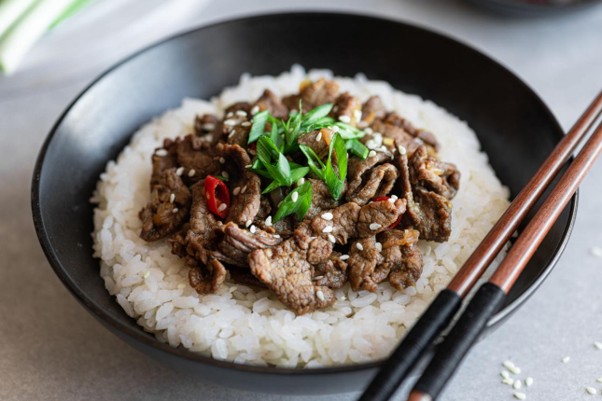
Korean–Mexican | Bulgogi beef tacos |
Korean–Italian | Gochujang cream pasta |
Japanese–Italian | Miso mushroom pasta |
Korean–American | Korean BBQ smash burgers |
Thai–Italian | Thai basil chilli pasta |
Japanese–American | Teriyaki chicken burgers |
Chinese–American | Sichuan pepper chicken wings |
This is particularly interesting because restaurants can introduce new flavours without completely changing their existing equipment or menu structure.
A burger restaurant can introduce Korean BBQ burgers.
A pizza restaurant can introduce hot honey toppings.
A pasta restaurant can introduce miso or gochujang sauces.
The innovation is often in the sauce, marinade or seasoning rather than the main ingredient.
EMERGING INTERNATIONAL CUISINES
Beyond Korean and Japanese food, I would monitor several cuisines that are attracting attention in international trend reports.
Cuisine | Dishes or flavours to investigate | Why it matters |
Filipino | Chicken adobo, sisig, calamansi | Distinctive savoury and acidic flavours |
Indonesian | Beef rendang, satay, sambal | Strong potential for sauces and marinades |
West African | Jollof rice, suya, egusi | Expanding interest in regional African cuisine |
Mexican street food | Birria tacos, elote, salsa macha | Highly adaptable casual-dining formats |
Sichuan Chinese | Mala sauces, chilli crisp | Demand for chilli heat and complex flavours |
Korean | Bulgogi, gochujang, fried chicken | Strong evidence of mainstream expansion |
- Filipino, Indonesian and West African cuisines are among those identified as emerging opportunities in 2027 food trend commentary.
These cuisines are at different stages of adoption. I would not describe them all as equally popular across the United States, Australia and Europe.
Our first investigation reveals something particularly interesting: Korean cuisine is evolving from a restaurant speciality into a major influence on everyday global food culture.
3. Why Korean cuisine is becoming a global phenomenon
International foodservice research company Technomic identifies Korean culinary influence as one of the defining global restaurant trends for 2027.
There is also convincing evidence that this is more than a passing fashion.
A 2025 survey involving 11,000 consumers across 22 international cities found:
Indicator | Result |
Consumers familiar with Korean cuisine | 68.6% |
Satisfaction among consumers who had tried Korean cuisine | 94.2% |
Willingness to eat Korean food again | 80.6% |
Respondents who had visited a Korean restaurant in the previous year | 71.7% |
More importantly, research published in October 2026 indicates that Korean food is increasingly becoming a regular meal choice rather than something consumers try once out of curiosity.
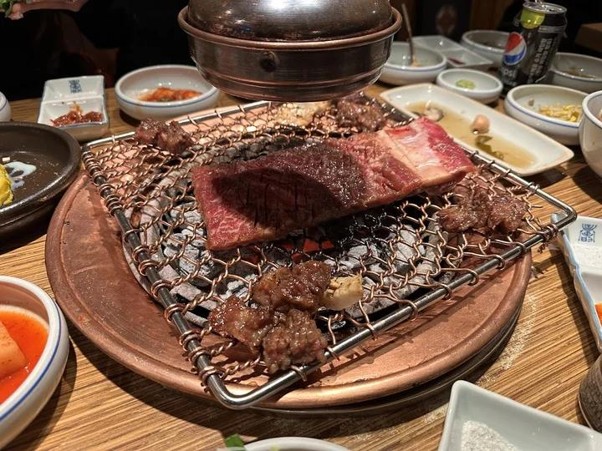
What makes Korean BBQ different from many Western barbecue traditions is its emphasis on thin cuts, marinades, accompanying vegetables and interactive dining. Korean fried chicken has become a major international success.
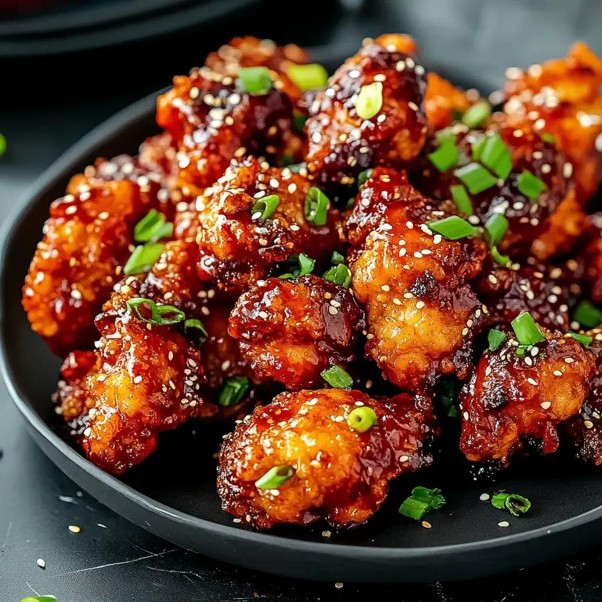
Unlike conventional fried chicken, Korean versions frequently emphasise an exceptionally crisp coating combined with distinctive sauces.
Popular variations include sweet-spicy yangnyeom, soy-garlic and gochujang-glazed chicken.
Gochujang — An ingredient to watch closely
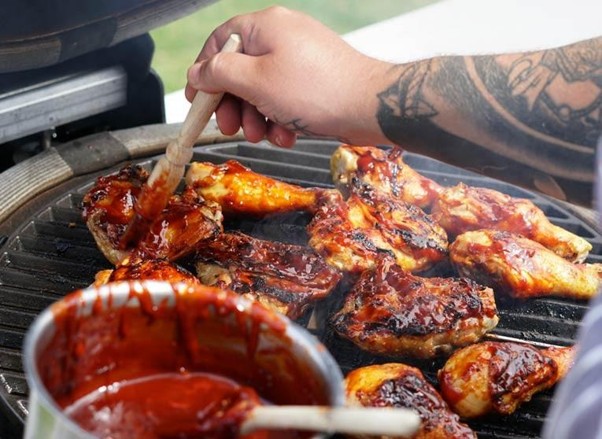
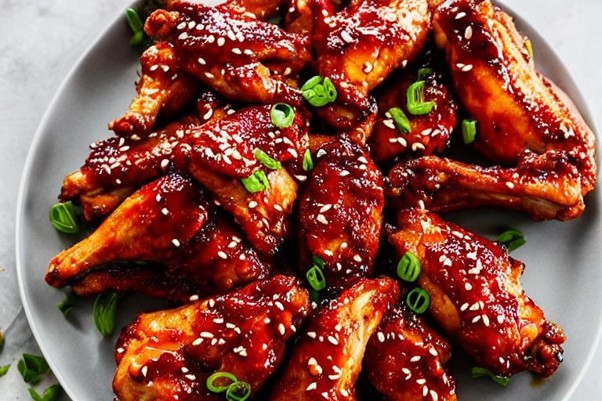
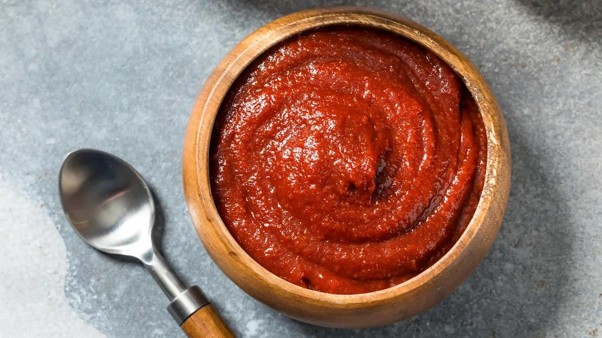
Of all the ingredients associated with Korean cuisine, gochujang may have one of the greatest opportunities for international expansion.
Gochujang is a fermented Korean chilli paste traditionally made using red chilli powder, glutinous rice, fermented soybean powder and salt.
It delivers a combination of sweetness, heat, saltiness and umami.
According to September 2026 reporting, Korean gochujang exports reached approximately US$46 million during the first eight months of 2026, an increase of 10.1% compared with the corresponding period in 2025.
What does this tell us about global cuisine in 2027?
Three important conclusions are emerging.
First, authentic traditional dishes remain important. Consumers are increasingly interested in genuine culinary traditions, regional ingredients and distinctive cooking methods.
Second, sauces and seasonings are becoming powerful drivers of innovation. A single ingredient such as gochujang can influence numerous unrelated dishes.
4. culinary boundaries are becoming less rigid. Korean ingredients can appear in Italian pasta, Mexican tacos and American burgers without replacing the original cuisines.
These findings are consistent with Kerry’s October 2026 research, which identifies cross-cultural flavour development, heritage ingredients and bold sensory experiences as major directions for 2027.